

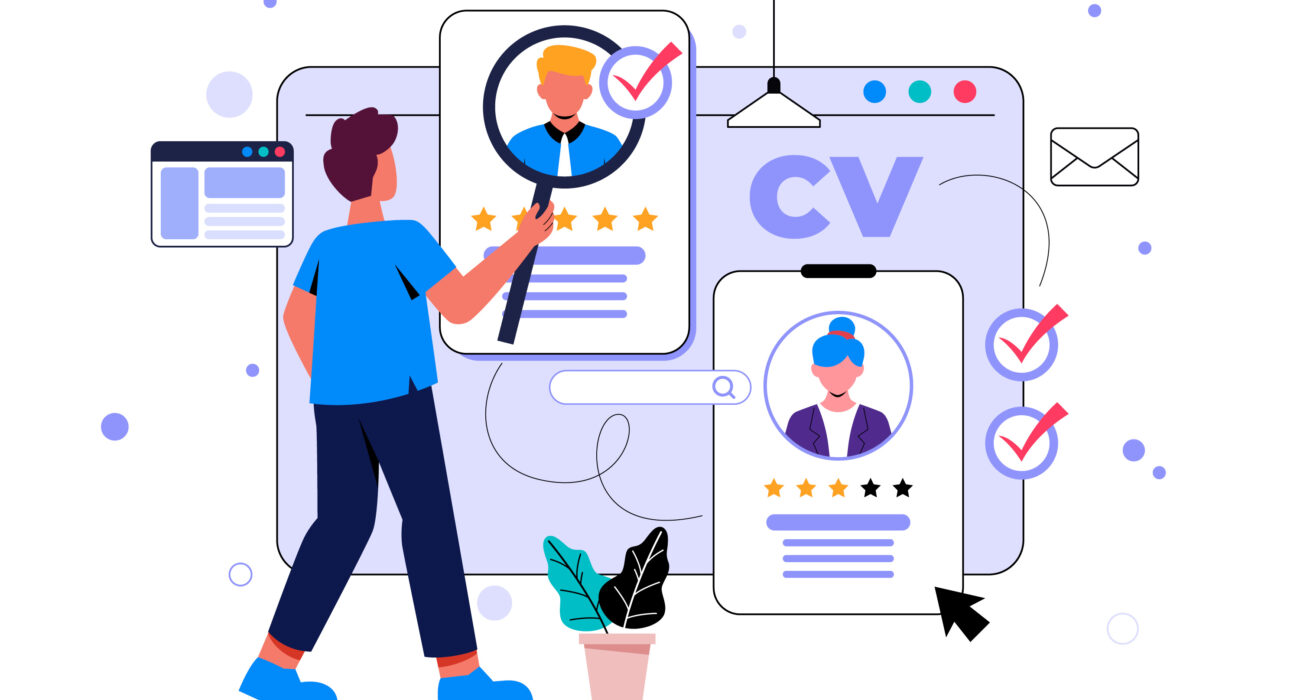
Every hiring manager has a version of this story. A resume with the right degree and forgettable experience makes it through the filter. Another candidate, without the expected degree but with real proof of what they can do, gets screened out before anyone even looks at them.
Someone catches it later. The resume gets forwarded around. Everyone agrees the candidate deserved a closer look. That moment captures one of the biggest changes happening in recruitment today. Skills-based hiring is gaining momentum, but many organizations are still using traditional filters to put it into practice.
For HR teams, the question is no longer whether skills-based hiring matters. It is whether their recruitment process is actually equipped to identify skills.
What Is Skills-Based Hiring?
Skills-based hiring evaluates candidates based on what they can demonstrate rather than relying primarily on degrees, previous job titles or years of experience.
That could mean looking at:
- Relevant technical and functional skills
- Work samples and portfolios
- Certifications and projects
- Transferable skills
- Assessments and structured interviews
- Achievements
Traditional recruitment, meanwhile, often uses qualifications, job titles and experience as convenient indicators of suitability.
The difference may sound straightforward, but changing the process behind those decisions is where things get complicated.
The Adoption Problem
Skills-based hiring has moved from being an emerging recruitment concept to a serious consideration for HR teams.
According to SHRM, 73% of employers reported using skills-based hiring practices, up from 56% in 2022. That represents a significant shift in how organizations say they are approaching talent acquisition.
But adopting a skills-based hiring policy is only the first step.
The real question is whether the systems, screening processes and hiring managers behind that policy have changed too.
Because if a company removes a degree requirement from a job description but continues filtering candidates using rigid qualifications, the recruitment process has not really changed.
Why Traditional Filters Still Persist
There are practical reasons for this gap:
ATS filters still rely heavily on familiar data points. Degrees, years of experience, previous designations and keywords are easy to search and sort.
Recruiter habits take time to change. Even when an organization adopts a skills-first hiring policy, hiring managers may continue to assess candidates using the signals they have trusted for years.
Skills are harder to evaluate. A degree is easy to verify. Actual capability requires evidence, whether that comes from an assessment, portfolio, previous projects or structured interviews.
This is where technology can make the transition more practical.
How AI Can Support Skills-Based Recruitment
The challenge isn’t simply finding more resumes. It is identifying relevant capability from a large candidate pool without making the first screening process completely manual.
AI-assisted recruitment can help HR teams analyze candidate information beyond simple keyword matching, helping recruiters surface relevant skills, experience and potential matches earlier in the hiring funnel.
This is particularly useful when a candidate’s capability isn’t obvious from their job title or educational background. For example, a candidate who has never held the exact title you’re hiring for may still have many of the skills required for the role.
The result is a recruitment process that has more room to recognize potential instead of filtering candidates based purely on conventional career paths.
Spine HR Suite’s AI Screening helps recruiters identify relevant candidates faster by screening profiles based on skills, experience and job requirements. Instead of relying only on conventional filters, recruiters can use AI-assisted screening to surface candidates whose capabilities align with the role.
For HR teams moving towards a more skills-focused approach, this can simplify candidate screening, organize applicant information and reduce repetitive manual work.
The goal isn’t for AI to make the hiring decision. It is to help recruiters spend less time sorting through resumes and more time evaluating whether a candidate is genuinely suited to the role.
In other words, let AI handle the first filter, so HR can focus on the final decision.
What HR Teams Should Change
If your organization has already introduced a skills-first hiring policy, the real work begins after the announcement.
- Audit your screening filters.
Check whether your recruitment system is still prioritizing degrees, job titles or rigid experience requirements. - Define the skills that actually matter.
Separate essential capabilities from qualifications that have simply become part of the job description over time. - Add ways to validate skills.
Use assessments, work samples, portfolios and structured interviews where appropriate. - Reduce repetitive screening work.
Use recruitment technology and AI-assisted tools to identify relevant candidates faster while keeping final decisions with human recruiters. - Measure who gets through.
Look beyond time-to-hire. Track whether your candidate pool and hiring outcomes are actually becoming more skills-focused.
The Real Shift
Changing a job description is easy. Changing the filters, evaluation methods and habits behind it is harder.
That is where HR technology can make a difference.
With Spine HR Suite, organizations can bring recruitment into a connected HR ecosystem while reducing repetitive processes that take recruiters away from more meaningful work.
Ultimately, the strongest candidate shouldn’t simply be the one with the most impressive credentials on paper, but rather in action.